01
First Step
Neurological Evaluation
Detailed neurological assessment helps identify headache triggers and patterns.
Targeted medical management clinics for severe migraines, vertigo, and persistent headaches.
Targeted neurological care and lifestyle management significantly improve migraine control and daily quality of life.
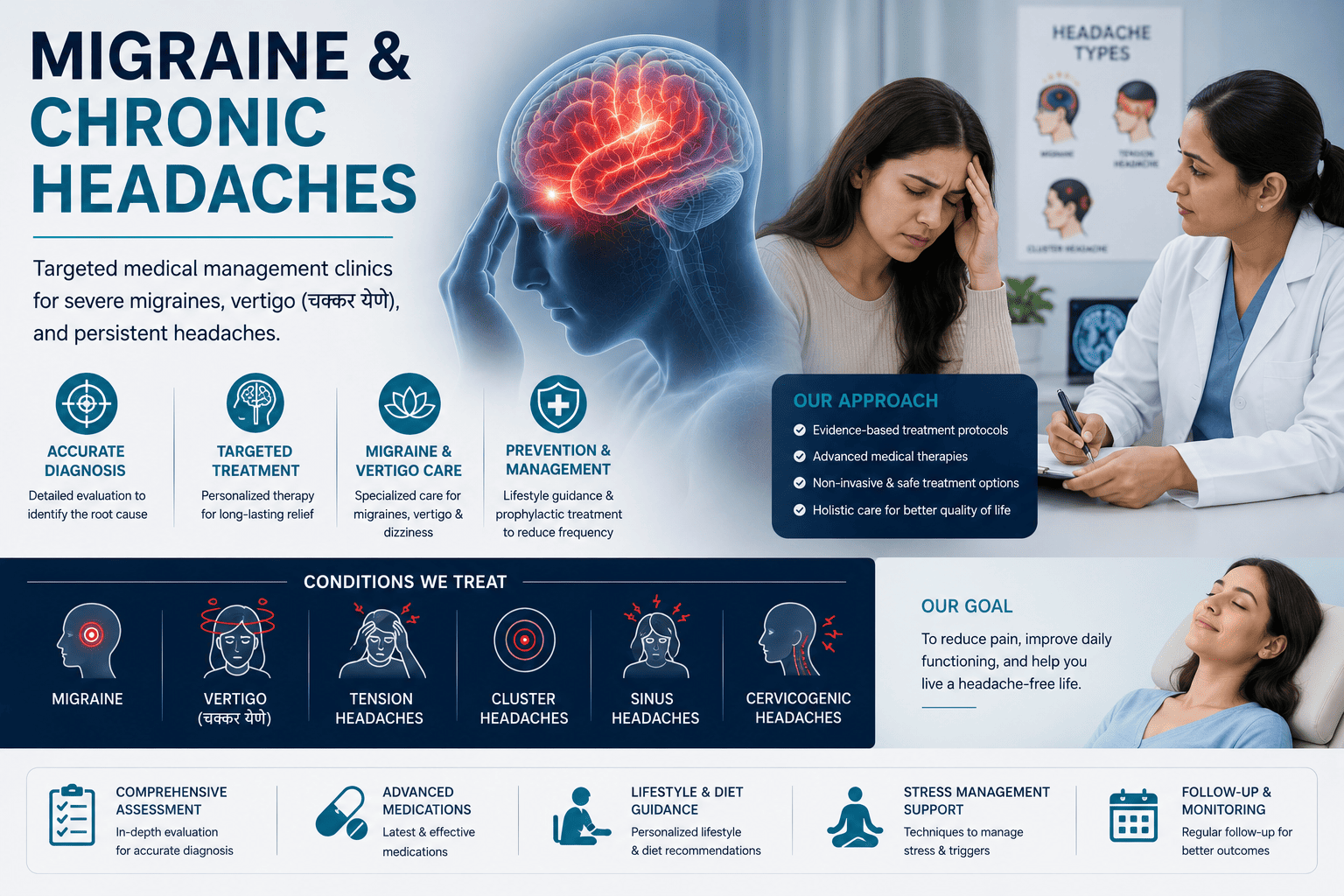
Understanding neurological and lifestyle-related headache triggers
Symptoms vary depending on the type and severity of the neurological headache condition.
Intense throbbing or persistent head pain affecting daily activities.
Spinning sensation or dizziness causing imbalance and discomfort.
Migraine attacks may cause nausea, vomiting, and stomach discomfort.
Sensitivity to bright light, screens, or loud sounds during headaches.
Blurred vision, flashing lights, or visual aura before migraine attacks.
Muscle tightness or discomfort around the neck and shoulders.
Imaging, procedure stages, patient rehabilitation milestones, and advanced treatment visuals.
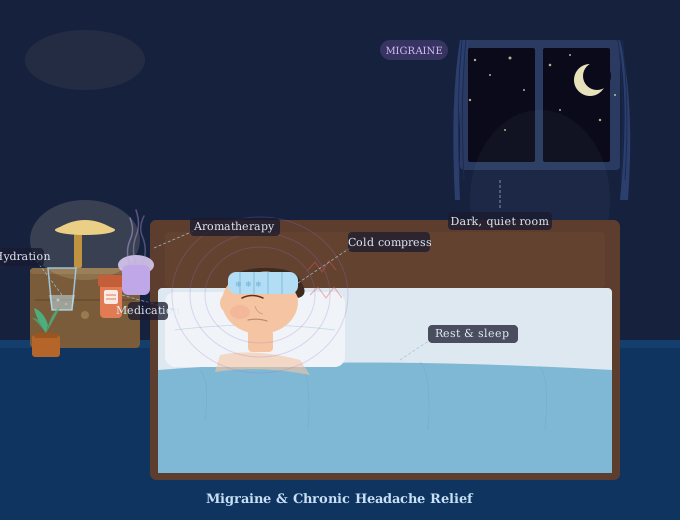
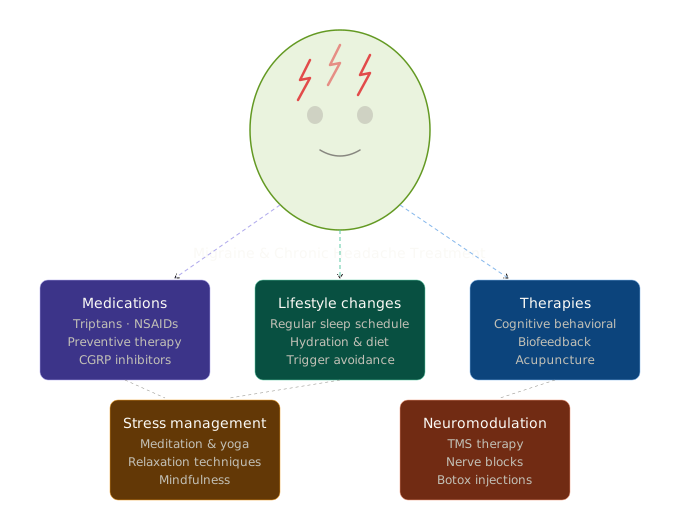
Treatment focuses on reducing headache frequency, controlling pain, managing vertigo symptoms, and improving neurological stability.
Long-term migraine management focuses on reducing triggers, controlling symptoms, improving neurological health, and restoring daily productivity.
Neurological assessment and medication adjustments help stabilize headache symptoms.
Sleep improvement, hydration, and stress management reduce migraine triggers.
Patients experience better headache control and improved quality of life.