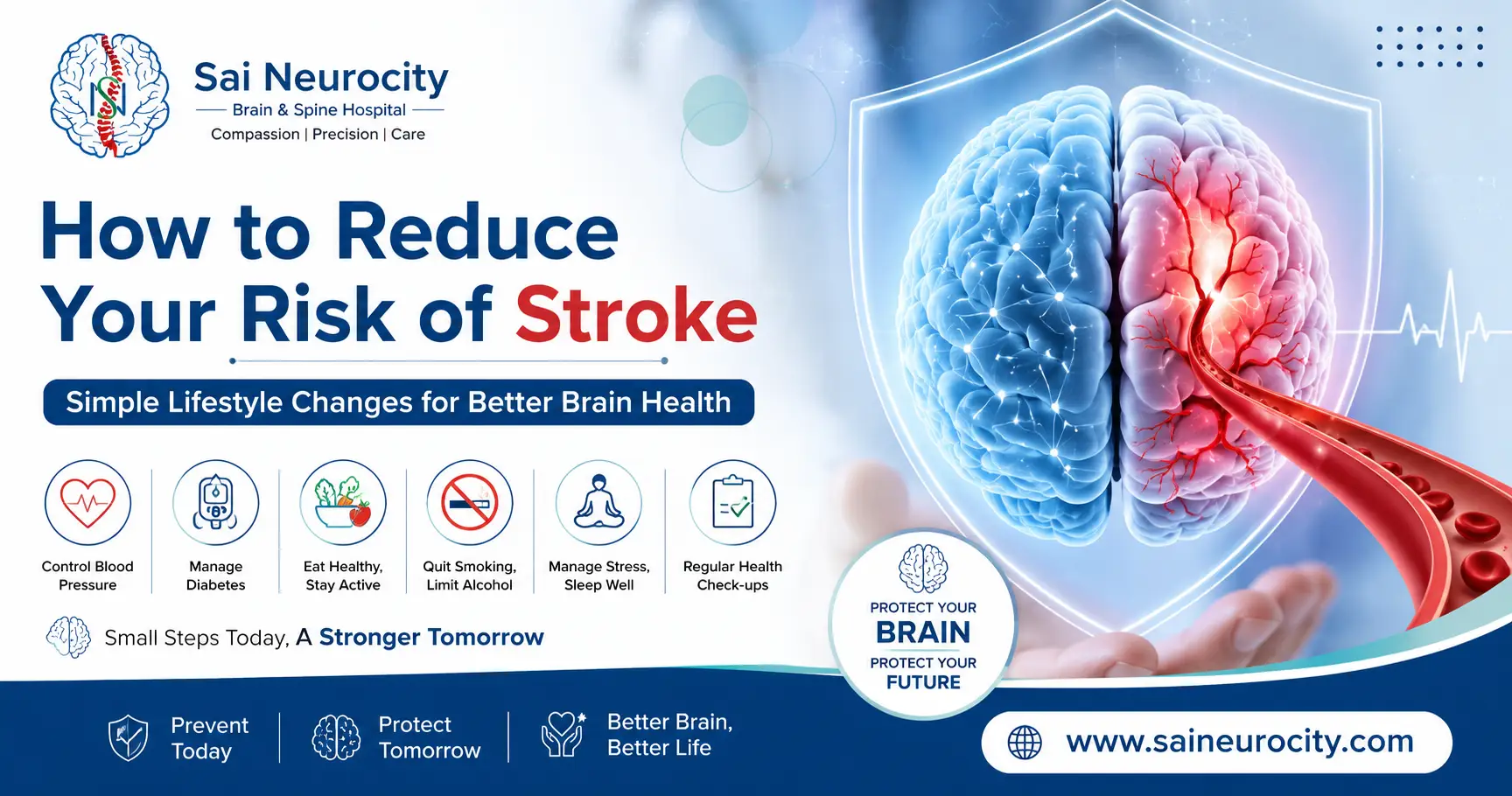
Stroke is one of the leading causes of disability and death worldwide, but the encouraging news is that many strokes can be prevented. By making informed lifestyle choices, managing underlying health conditions, and recognizing early warning signs, you can significantly reduce your risk and protect your brain health.
At Sai Neurocity Hospital, we believe that prevention is the first step toward lifelong neurological wellness.
What Is a Stroke?
A stroke occurs when the blood supply to a part of the brain is interrupted or when a blood vessel in the brain ruptures. Without adequate oxygen and nutrients, brain cells begin to die within minutes, making immediate medical attention essential.
Types of Stroke
- Ischemic Stroke: Caused by a blockage in a blood vessel supplying the brain. This is the most common type.
- Hemorrhagic Stroke: Occurs when a blood vessel in the brain bursts, leading to bleeding.
- Transient Ischemic Attack (TIA): Often called a "mini-stroke," it is a temporary blockage that serves as an important warning sign for a future stroke.
Who Is at Higher Risk?
While anyone can experience a stroke, certain factors increase the likelihood:
- High blood pressure
- Diabetes
- High cholesterol
- Heart disease
- Smoking
- Obesity
- Physical inactivity
- Excessive alcohol consumption
- Family history of stroke
- Age above 55 years
Understanding these risk factors allows you to take preventive action early.
10 Effective Ways to Reduce Your Risk of Stroke
1. Keep Your Blood Pressure Under Control
High blood pressure is the most significant risk factor for stroke. Regular monitoring and proper treatment can greatly reduce your chances of developing a stroke.
Tips:
- Limit salt intake.
- Exercise regularly.
- Take prescribed medications consistently.
- Monitor your blood pressure periodically.
2. Manage Diabetes Effectively
Uncontrolled diabetes damages blood vessels, increasing the risk of stroke.
Maintain healthy blood sugar levels by:
- Following your doctor's advice.
- Eating a balanced diet.
- Exercising regularly.
- Taking medications as prescribed.
3. Lower Your Cholesterol
High cholesterol can cause fatty deposits to build up inside arteries, restricting blood flow to the brain.
Choose:
- Fruits and vegetables
- Whole grains
- Lean proteins
- Healthy fats such as nuts and olive oil
Avoid:
- Fried foods
- Processed snacks
- Excess saturated and trans fats
4. Stay Physically Active
Regular exercise strengthens the heart, improves circulation, and helps control weight, blood pressure, and blood sugar.
Aim for at least 150 minutes of moderate physical activity each week, such as:
- Walking
- Cycling
- Swimming
- Yoga
5. Maintain a Healthy Weight
Being overweight increases the risk of hypertension, diabetes, and heart disease—all of which contribute to stroke.
A combination of balanced nutrition and regular exercise is the most effective way to achieve and maintain a healthy weight.
6. Quit Smoking
Smoking damages blood vessels, increases blood pressure, and promotes blood clot formation.
The benefits of quitting begin almost immediately, and your stroke risk decreases significantly over time.
7. Limit Alcohol Consumption
Excessive alcohol intake can increase blood pressure and contribute to irregular heart rhythms.
If you consume alcohol, do so in moderation and follow your healthcare provider's guidance.
8. Eat a Brain-Healthy Diet
A nutritious diet supports healthy blood vessels and reduces inflammation.
Include:
- Leafy green vegetables
- Fresh fruits
- Whole grains
- Fish rich in omega-3 fatty acids
- Nuts and seeds
- Low-fat dairy products
Reduce:
- Sugary beverages
- Highly processed foods
- Excess salt
- Refined carbohydrates
9. Manage Stress and Sleep Well
Chronic stress and poor sleep may contribute to high blood pressure and cardiovascular disease.
Helpful strategies include:
- Meditation
- Deep breathing exercises
- Regular sleep schedule
- Physical activity
- Spending time with family and friends
Aim for 7–8 hours of quality sleep each night.
10. Schedule Regular Health Check-ups
Routine health screenings can detect silent risk factors before they become serious.
Regular check-ups should include:
- Blood pressure
- Blood sugar
- Cholesterol levels
- Heart health assessment
Early detection allows timely treatment and significantly lowers stroke risk.
Recognize the Warning Signs of Stroke
Quick treatment can save brain function and improve recovery.
Remember the BE FAST method:
- B – Balance: Sudden loss of balance or coordination.
- E – Eyes: Sudden vision loss or blurred vision.
- F – Face: One side of the face droops.
- A – Arms: Weakness or numbness in one arm.
- S – Speech: Slurred speech or difficulty speaking.
- T – Time: Seek emergency medical care immediately.
Never ignore these symptoms, even if they disappear after a few minutes.
Can Stroke Be Prevented?
Yes. Medical research suggests that a large proportion of strokes are preventable through healthy lifestyle choices and proper management of medical conditions.
Small, consistent habits—such as exercising regularly, eating nutritious foods, avoiding tobacco, and controlling blood pressure—can make a significant difference in reducing stroke risk.
Why Choose Sai Neurocity Hospital?
Sai Neurocity Hospital is committed to providing comprehensive neurological care, from prevention and diagnosis to advanced treatment and rehabilitation.
Our services include:
- Neurology consultations
- Stroke evaluation and management
- Advanced brain imaging
- Neurosurgical care
- Spine care
- Rehabilitation and recovery support
Our experienced team focuses on timely diagnosis, evidence-based treatment, and patient-centered care to help individuals achieve the best possible outcomes.
Conclusion
A stroke can occur suddenly, but many of its risk factors are within your control. Adopting a healthy lifestyle, managing chronic conditions, and recognizing early warning signs can greatly reduce your risk.
Protecting your brain starts with the choices you make every day. If you have concerns about your stroke risk or experience neurological symptoms, seek medical evaluation without delay.
Your brain is one of your most valuable organs—taking care of it today can make all the difference tomorrow.